Managing Multiple Rental Properties: When to Change Tack
 EZRENT Team
| 29 October 2026
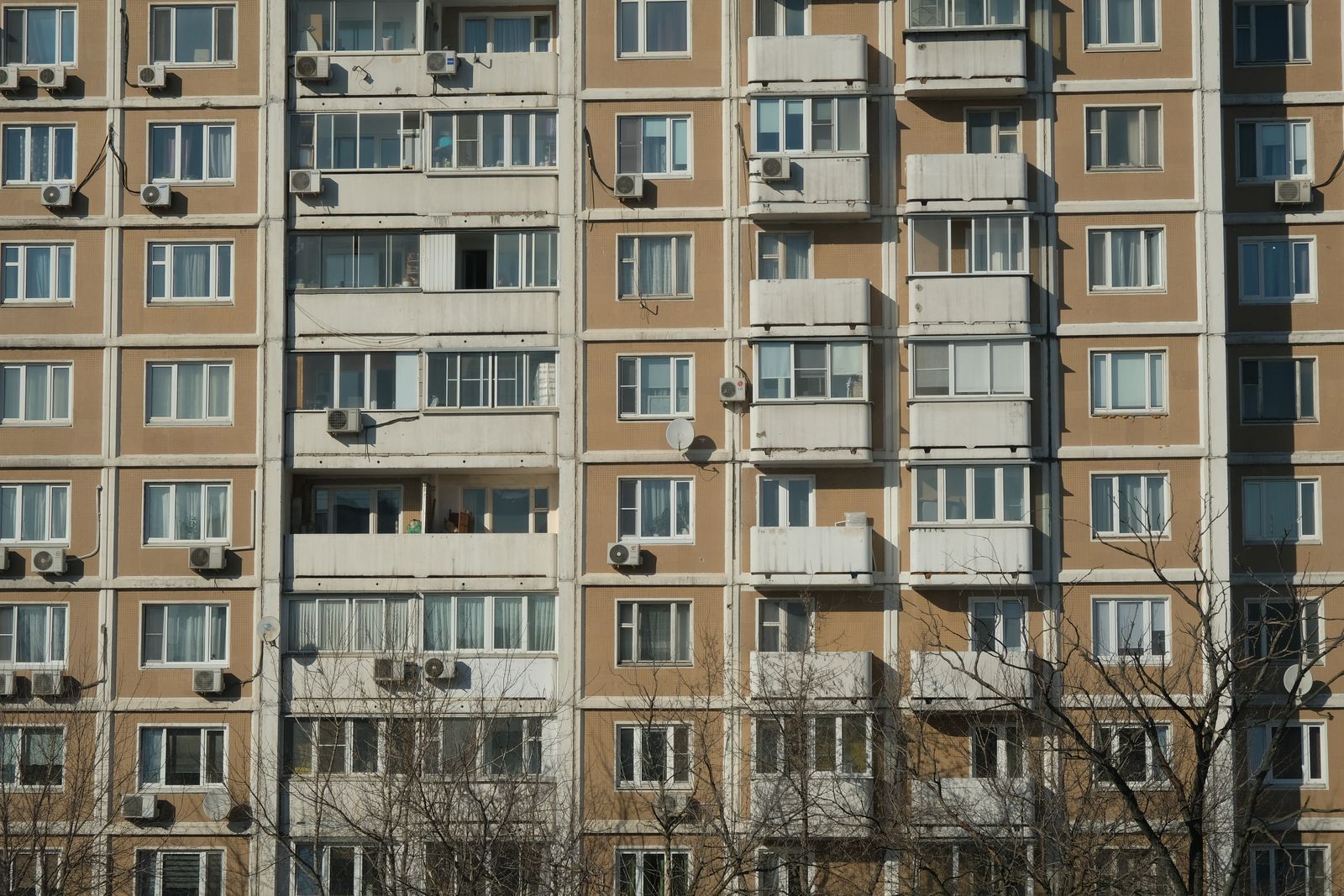
One rental property is manageable with a spreadsheet, a shared email inbox and a good memory. Two is still fine. Somewhere between three and five properties, most self-managing landlords hit a wall. The systems that worked for one home start quietly failing, and nobody tells you until a tenant complains, a payment goes missing, or a compliance deadline slips past unnoticed.
If you're managing multiple rental properties and starting to feel like you're always one step behind, that's not a personal failing. It's a sign the way you're managing has outgrown the tools you're using to do it.
The spreadsheet starts lying to you
A single spreadsheet tracking rent, bonds, lease dates and maintenance works brilliantly until it doesn't. With multiple properties, the same sheet now has to track different rent amounts, different payment dates, different lease anniversaries and different state-based compliance rules if your properties span more than one jurisdiction.
The real problem isn't the spreadsheet itself. Nobody updates it in real time. Rent gets paid, but the entry waits until Sunday night. A tenant gives notice, but it only gets logged after the follow-up call. By the time you're managing four or five properties this way, the spreadsheet reflects what happened a week ago, not what's actually true today.
- You're cross-checking bank statements against the spreadsheet instead of trusting it
- Different properties have different formats because they were set up at different times
- Nobody else could step in and understand the system if you were unavailable
Signs the manual approach is cracking
You're reacting instead of tracking
With one property, you notice a late payment because you check your account anyway. With several, late rent can sit unnoticed for days because you're not actively looking for it across every tenancy. Reactive management works at small scale and fails quietly at larger scale.
Lease dates blur together
Fixed-term leases ending, rent reviews due, periodic tenancies rolling over: each property has its own calendar. Once you're juggling five or six of these, it's easy to miss a renewal window or let a lease lapse into periodic terms without a conscious decision to do so.
Maintenance requests pile up in different places
A text from one tenant, an email from another, a phone call you meant to write down and didn't. Without a single system, maintenance tracking becomes a memory exercise, and memory is the first thing that fails when you're managing multiple rental properties alongside a full-time job or other commitments.
Compliance paperwork is scattered
Smoke alarm checks, gas and electrical safety certificates, bond lodgements, entry notices: each state has its own rules and deadlines. When these records live in different folders, inboxes and filing cabinets across several properties, it's genuinely hard to know at a glance whether you're compliant on all of them right now.
You've started avoiding the admin
This is the clearest sign. If you catch yourself putting off a rent reconciliation, delaying a lease renewal conversation, or hoping a maintenance issue sorts itself out, the admin load has outgrown your capacity to handle it the way you have been.
Why this happens even to organised landlords
It's not a discipline problem. The math simply changes. One property has maybe a dozen things to track across a year: rent, one lease, periodic inspections, occasional repairs. Five properties don't just multiply that by five. The coordination overhead grows too, because you're now juggling different dates, different tenants' communication styles and different compliance obligations simultaneously.
Add a second state or territory to the mix and the rules change again. What's required for a bond or a notice to vacate in one state often doesn't match another. Trying to hold all of that in your head, or in a generic spreadsheet, is where good landlords start making avoidable mistakes.
What changing how you manage actually looks like
Centralise rent tracking
You need one place that shows, at a glance, which tenants have paid, which haven't, and which are approaching their due date, across every property you own. Chasing this manually across multiple bank accounts and payment methods is where late rent slips through unnoticed.
Put lease and compliance dates on one calendar
Every lease expiry, rent review, inspection and compliance renewal should live in a single system that reminds you ahead of time, not one you have to remember to check. The goal is to stop finding out about deadlines in hindsight.
Give tenants one way to raise issues
A dedicated channel for maintenance requests, separate from personal texts and emails, means nothing gets lost and you have a record of when something was reported and when it was actioned. This matters both for good tenant relationships and for your own protection if a dispute ever arises.
Keep records that would survive an audit
If a tenant disputed a bond deduction, or a tribunal asked for evidence of when a repair was reported and fixed, could you produce it in five minutes? With one property, probably. With six, not without a proper system behind you.
You don't need to hand everything to an agent
The usual fork in the road is self-managing forever or handing the whole portfolio to a property manager and losing control and paying ongoing fees. There's a middle path: keep making the decisions yourself, but use purpose-built tools to handle the tracking, reminders and record-keeping that don't scale on a spreadsheet.
This is particularly worth considering once you're managing multiple rental properties across different tenancies, because the cost of a missed deadline or a lost record grows with every property you add. A system built for Australian rental compliance does the remembering so you can focus on the decisions that actually need a landlord's judgement.
How EZRENT helps as your portfolio grows
EZRENT was built for landlords who want to stay in control of their own properties without drowning in admin as the portfolio grows. You get automated rent ledgers that show exactly who's paid across every property, guided lease setup so nothing gets missed when a new tenancy starts, and maintenance tracking that keeps every request and resolution on record in one place. Have a look at what EZRENT does for your whole portfolio, check pricing and plans to see what fits the size of your holdings, or sign up and get your properties organised before the next deadline sneaks up on you.
This article is general information only and is not financial, legal or professional advice. Rules, thresholds and requirements vary by state or territory and change over time - always check the current rules with your local tenancy authority or a qualified professional before acting on anything above.
← Browse all rental information guides
you might also like...
Managing Multiple Rental Properties: When to Change Tack
EZRENT Team
6 Min. To Read

Managing Multiple Rental Properties: When to Change Tack
EZRENT Team
6 Min. To Read